
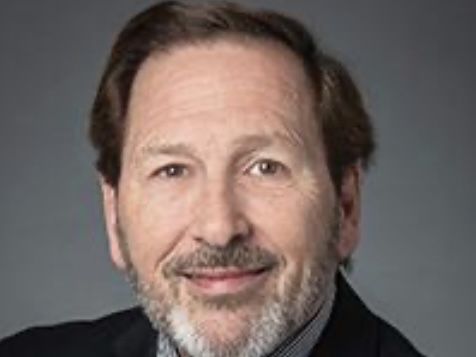

Jeffrey Weitzel logo International Society of Prevention and Treatments (ISOPT) logo

Jeffrey Weitzel

Scientific Director (Western), International Society of Oncology Prevention and Treatments (ISOPT) (USA)


Dr. Jeffrey Weitzel is a prominent figure in the field of Cancer research and genetics. He is the Founder of the Division of Clinical Cancer Genomics and the Cancer Screening & Prevention Program at City of Hope Comprehensive Cancer Center in Duarte, California. Dr. Weitzel is Board Certified in Clinical Genetics and Medical Oncology and serves as a Professor of Oncology and Population Sciences at City of Hope. He is also the ASCO Conquer Cancer Research Professor in Breast Cancer Disparities.

Dr. Weitzel’s work focuses on translational research in cancer disparities, genomic cancer risk assessment, chemoprevention, targeted therapy, clinical and psychosocial outcomes, genetic epidemiology, and health services research, with a particular emphasis on underserved populations. He is a member of the NCCN Genetics/Familial Risk Assessment practice guidelines committee and has received the American Society of Human Genetics Arno Motulsky-Barton Childs Award for Excellence in Human Genetics Education.
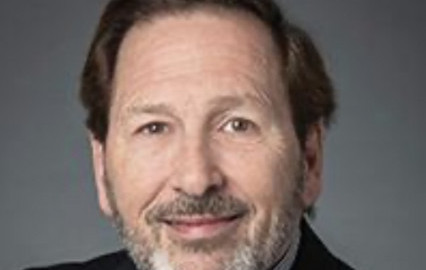
Jeffrey Weitzel logo

Jeffrey Weitzel

Scientific Director (Western), International Society of Oncology Prevention and Treatments (ISOPT) (USA)


International Society of Prevention and Treatments (ISOPT) logo

Dr. Jeffrey Weitzel is a prominent figure in the field of Cancer research and genetics. He is the Founder of the Division of Clinical Cancer Genomics and the Cancer Screening & Prevention Program at City of Hope Comprehensive Cancer Center in Duarte, California. Dr. Weitzel is Board Certified in Clinical Genetics and Medical Oncology and serves as a Professor of Oncology and Population Sciences at City of Hope. He is also the ASCO Conquer Cancer Research Professor in Breast Cancer Disparities.

Dr. Weitzel’s work focuses on translational research in cancer disparities, genomic cancer risk assessment, chemoprevention, targeted therapy, clinical and psychosocial outcomes, genetic epidemiology, and health services research, with a particular emphasis on underserved populations. He is a member of the NCCN Genetics/Familial Risk Assessment practice guidelines committee and has received the American Society of Human Genetics Arno Motulsky-Barton Childs Award for Excellence in Human Genetics Education.


Why WIN